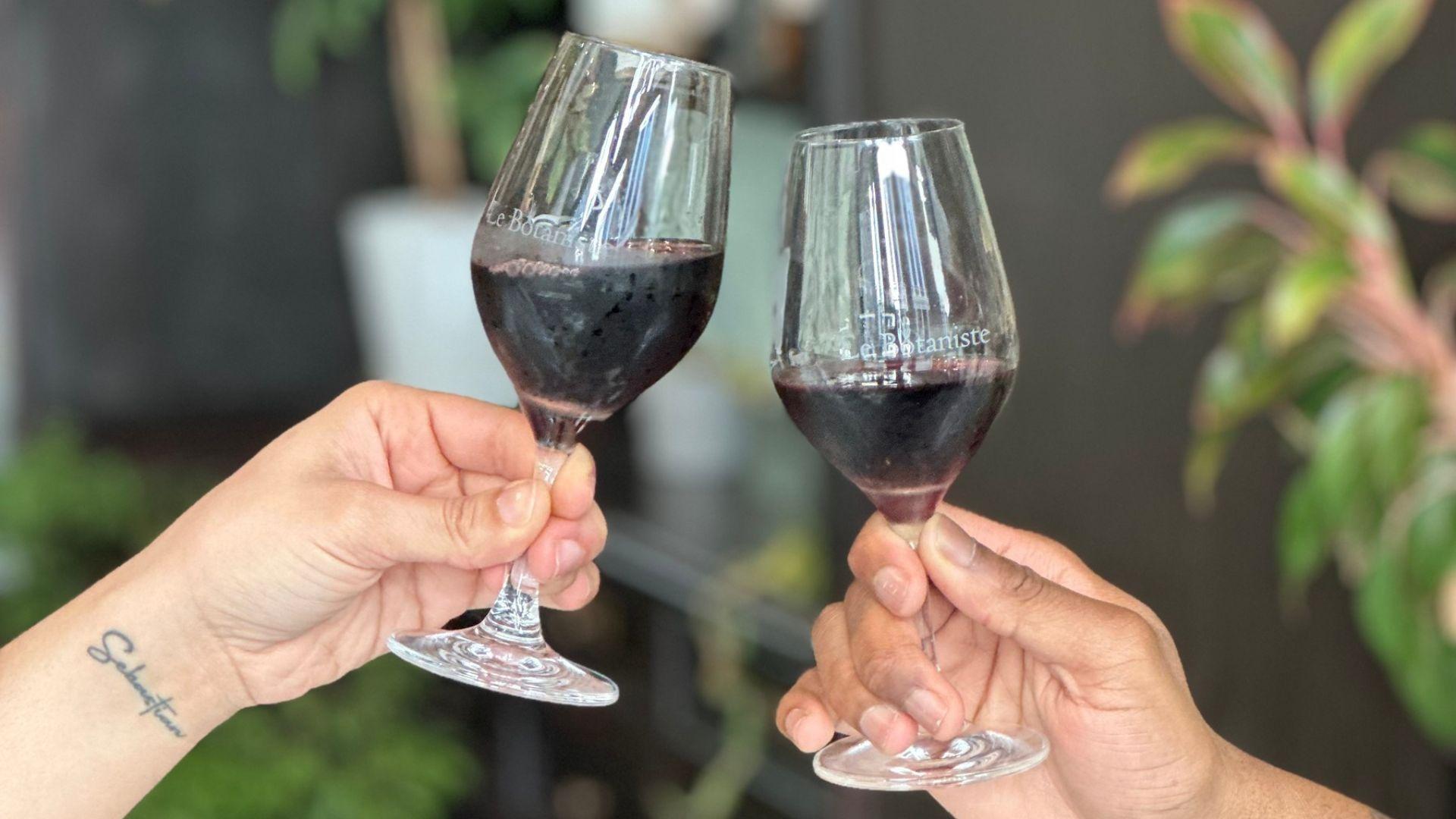
A practical plan for a vegan Friendsgiving: what to ask guests, a menu that works for most diets, potluck labels, and what to order instead of cook.
Friendsgiving has all the charm of Thanksgiving and none of the seating politics. Then the group chat lights up: one friend is vegan, one is gluten-free, one has a tree nut allergy, and one is bringing "something with bacon."
The fix is simpler than running three menus. Make the shared food plant-based, choose dishes that are naturally free of the common problem ingredients, and label the rest. Many hosts hold theirs the weekend before Thanksgiving, which this year means November 21 or 22, so now is the time to plan.
Step 1: Ask one better question
Don't ask, "Any dietary restrictions?" Ask this: "Is there anything you can't eat, and how serious is it?"
The second half matters most. A guest who avoids dairy by choice needs a different plan from a guest with celiac disease or a nut allergy. When you know which is which, you can spend your energy where the stakes are highest.
Step 2: Build one menu, not three
Make one version of each dish and let everyone eat it. No one wants to hunt for the "special" plate.
- Stuffing: Use gluten-free bread and vegetable broth. Watch out for regular broth and croutons.
- Mashed potatoes: Use olive oil and unsweetened plant milk. Watch out for butter, and nut milks if there's an allergy.
- Gravy: Use mushrooms and vegetable broth, thickened with cornstarch. Watch out for wheat flour and regular soy sauce. Tamari is a common swap, but check the label.
- Vegetables: Roast squash, Brussels sprouts and root vegetables. Serve nut or seed toppings on the side.
- Cranberry sauce: Cranberries, orange and sugar. There's very little to watch out for, which is why it earns its place.
- Dessert: Make a fruit crisp with gluten-free oats, or a gluten-free pie. Watch out for crust, butter, eggs and nuts.
Step 3: Run the potluck with one rule
Potlucks are where a good plan falls apart, usually around a mystery casserole. Give guests a category when they sign up, so you don't end up with five pies. Then set out cards and a marker, and ask everyone to write:
- The dish name
- Its ingredients
- Whether it is vegan and gluten-free
- Any major allergens
The FDA's list of nine major food allergens is a useful prompt: milk, eggs, fish, crustacean shellfish, tree nuts, peanuts, wheat, soybeans and sesame.
If a friend insists on bringing something with bacon, give it its own spot with its own serving spoon, away from the plant-based dishes.
Step 4: Protect guests with allergies or celiac disease
The safest guide is your guest, so ask what they need before you start cooking. A few habits help:
- Cook the allergy-safe dish first, then cover it and set it aside.
- Give each dish its own serving spoon. Shared spoons undo careful cooking in seconds.
- Mind the shared equipment. The Celiac Disease Foundation names toasters and colanders as common places for gluten cross-contact.
- Keep the packaging. Guests with allergies may want to read the label themselves.
If someone has a severe allergy, ask them directly whether they are comfortable eating food from a shared table. For some guests, the kindest option is letting them bring their own plate.
Step 5: Outsource the hard parts
No one earns extra points for making everything. Cook the dishes you love, and order the rest. Here is what works well from our catering menu:
- Guests arrive hungry and dinner isn't ready: Mezze Platter, with spreads, veggie balls and gluten-free crackers (serves 10).
- You need a filling main: Chili Bowl tray, labeled gluten-free on our menu (serves 6).
- Someone needs to bring dessert, and that someone is you: Mini Assortment (serves 25).
- You want something lighter on the table: Garden Tray (serves 10).
The mezze contains soy, cashew and tahini, and many of our desserts contain nuts, so check the menu against your guest list and tell our catering team about any allergies when you order.
Your three-day plan
- Three days out: Confirm your headcount and who's bringing what. Place your catering order.
- The day before: Make the cranberry sauce, gravy and dessert. Prep your vegetables and write your labels.
- The day of: Cook the allergy-safe dishes first. Roast your vegetables, reheat what you need, and open the door.
For next-day catering orders, place yours before 6 p.m. to avoid a 20% rush fee.
Friendsgiving FAQ
Can you host a vegan Friendsgiving if most guests aren't vegan? Yes. Stuffing, potatoes, roasted vegetables and cranberry sauce are easy to make plant-based, and most guests will be too busy eating to audit it.
What is the easiest dish to bring? Roasted vegetables with the toppings on the side. They travel well and suit most diets.
Are vegan dishes automatically allergy-friendly? No. Vegan cooking often relies on nuts, soy, sesame and wheat, so always check the ingredients.
Skip the cooking, keep the credit
Order a tray or two through Le Botaniste catering, or email catering@lebotaniste.us. Hosting the whole family later this month? Read our guide to a vegan Thanksgiving in NYC. And when the leftovers run out, here are six warm lunches to get you through the cold.
←Back to Blog